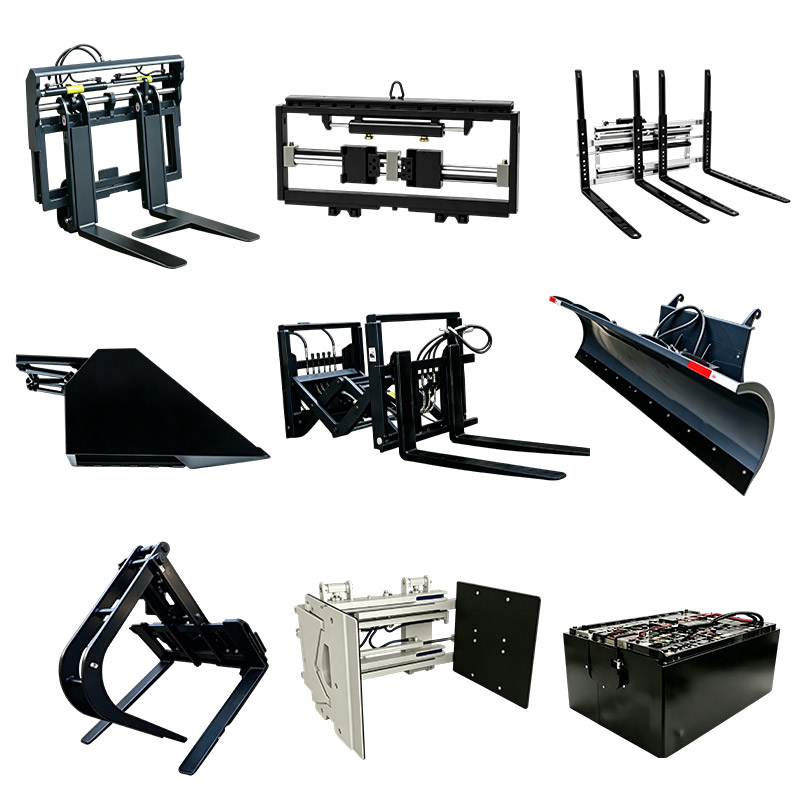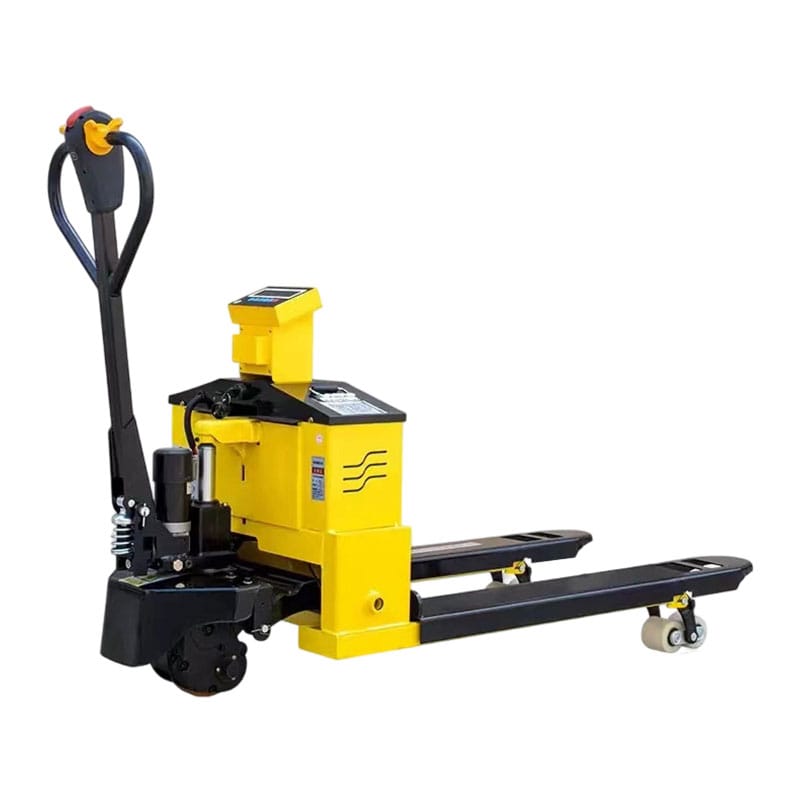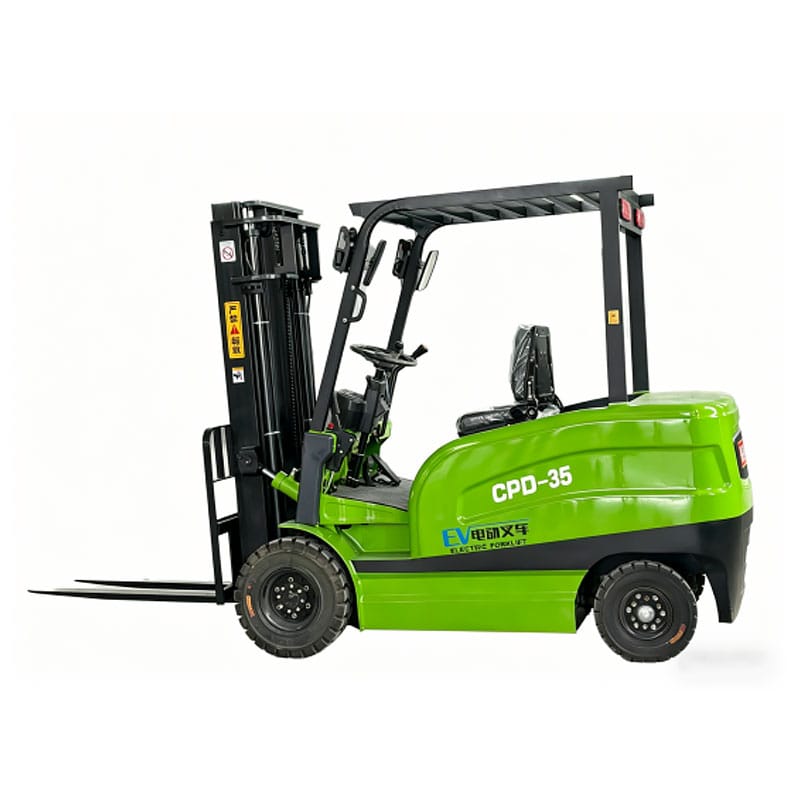
A 4WD forklift should be selected when outdoor surface conditions require traction beyond a standard warehouse forklift. Buyers should compare drive mode, steering type, tires, ground condition and load requirements before choosing a model.
This article is written for importers, distributors, brand owners and procurement managers comparing material-handling equipment for practical warehouse, factory and outdoor applications. It uses Juwang Machinery’s public product categories and published product information as the site reference, and it marks application-dependent decisions as items to confirm before ordering.
Start with the Surface Problem
A 4WD forklift is not chosen because it sounds stronger; it is chosen because the ground, traction and route require it. Describe the surface before asking for a model.
Compare Steering Types
Outdoor forklifts may use different steering structures depending on model. Buyers should ask how the steering method affects turning radius, stability and operator control.
Check Load and Route Together
A forklift that moves well unloaded may behave differently with a heavy pallet. Tell the supplier whether slopes, soft ground or rough lanes are used while loaded.
Procurement Comparison Table
| Check Item | What the Buyer Should Confirm | Useful Link |
|---|---|---|
| 4WD traction | Useful for rougher outdoor surfaces where traction is the key problem | Reference |
| Rear-wheel steering | Can improve maneuvering depending on the model design | Reference |
| Articulated steering | May fit tight outdoor turning where the model supports it | Reference |
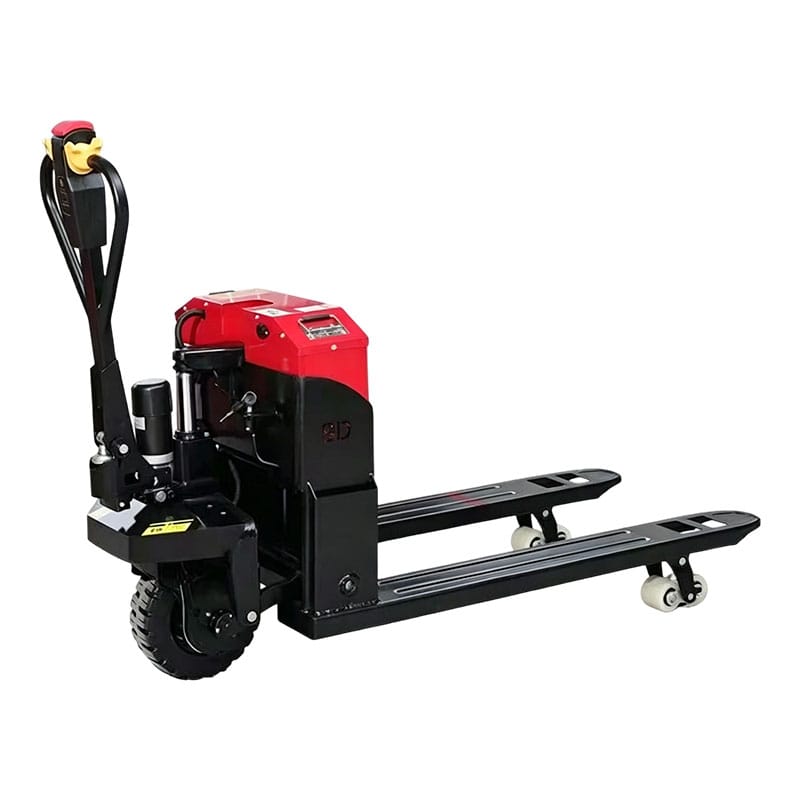
| Warehouse electric forklift | Better for flat indoor floors and clean logistics routes | Reference |
Review Tire Configuration
Tires connect the drive system to the ground. Tire size and tread should match surface conditions, expected wear and local replacement planning.
Do Not Ignore Operator Training
HSE lift truck guidance includes training and management as part of safe lift truck use. Outdoor conditions make disciplined operation even more important.
Plan Maintenance for Outdoor Use
Mud, dust and uneven surfaces can increase inspection needs. Buyers should ask about service points and common parts for the chosen model.
Compare with Electric Warehouse Options
If the site is mostly flat concrete, an electric forklift may be more suitable than a 4WD outdoor model. The right choice depends on surface, not only load weight.
Prepare a Better Inquiry
Send photos of the surface, slope details, load weight, travel distance, turning space and weather conditions. This allows the supplier to recommend a realistic 4WD forklift configuration.
Buyer Fit for Importers and Dealers
For importers and dealers, 4WD forklift should be evaluated as a resale and support decision, not only as a single equipment purchase. The buyer should consider how the model will be explained to end users, which parts may need local stock, what operating conditions are common in the target market, and whether the supplier can provide consistent product information for repeat orders.
Details to Confirm Before Final Quotation
Before final quotation, prepare the expected load range, pallet or material dimensions, lift height, aisle or yard route, floor or ground condition, daily operating hours, charging availability where relevant, destination country and any document or branding requirements. These details help reduce revisions and make the supplier recommendation more reliable.
Common Mistakes to Avoid
Avoid choosing equipment only by one headline capacity, copying another customer’s configuration without checking the site, or treating attachments and spare parts as afterthoughts. Also avoid unsupported claims about certifications, working time or local compliance unless the supplier can provide documents for the exact model and destination market.
Supply Support to Discuss Early
For repeat B2B purchasing, discuss packing, manuals, spare parts identification, response process and model continuity early. These points help dealers protect customer relationships after the first sale and make future orders easier to repeat. If a requirement is not published on the website, treat it as a confirmation item rather than an assumed promise.
Conclusion
The right decision for 4WD forklift depends on real working conditions, not only a keyword or capacity label. Buyers should confirm load, route, lift height, floor, charging, parts and documentation needs before asking for final quotation. For model matching, send Juwang Machinery the operating details through the contact page so the supplier can review the application before recommending equipment.
External Safety References
For general lift-truck safety context, buyers can review the CCOHS forklift load-handling guidance and the HSE lift truck guidance. These references support safe selection discussions but do not replace local regulations or supplier confirmation for a specific model.
FAQ
What is the most important detail when choosing 4WD forklift?
The most important detail is the real operating condition: load weight, pallet size, route, lift height, floor condition and daily working hours. These details decide whether the equipment class is suitable.
Should I choose a larger model for extra safety?
A larger model can help when loads vary, but it should not be chosen blindly. Vehicle size, turning space, floor condition, charging and shipping weight also matter.
What should I send before requesting a quotation?
Send load weight, pallet dimensions, required lift height, aisle width, floor or ground condition, daily use hours, destination market and any documentation needs.
Can one machine cover warehouse and outdoor work?
Sometimes, but only if the ground, tires, traction and load requirements fit. Flat indoor handling and rough outdoor handling often need different equipment types.
Why are spare parts discussed before ordering?
Parts planning helps dealers support customers after delivery. It also makes it easier to identify tires, electrical parts, hydraulic items and other service components later.