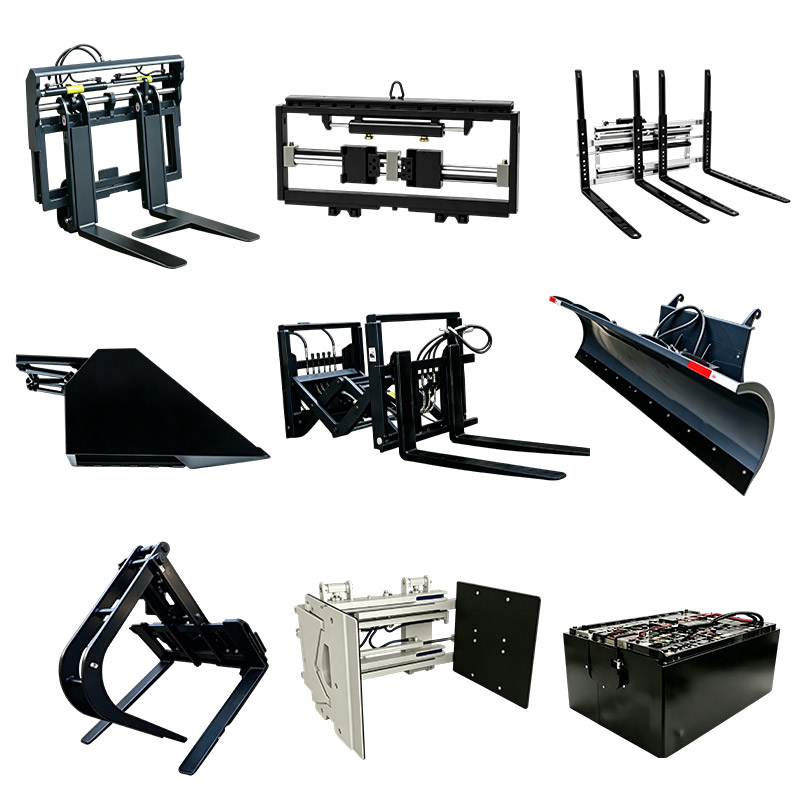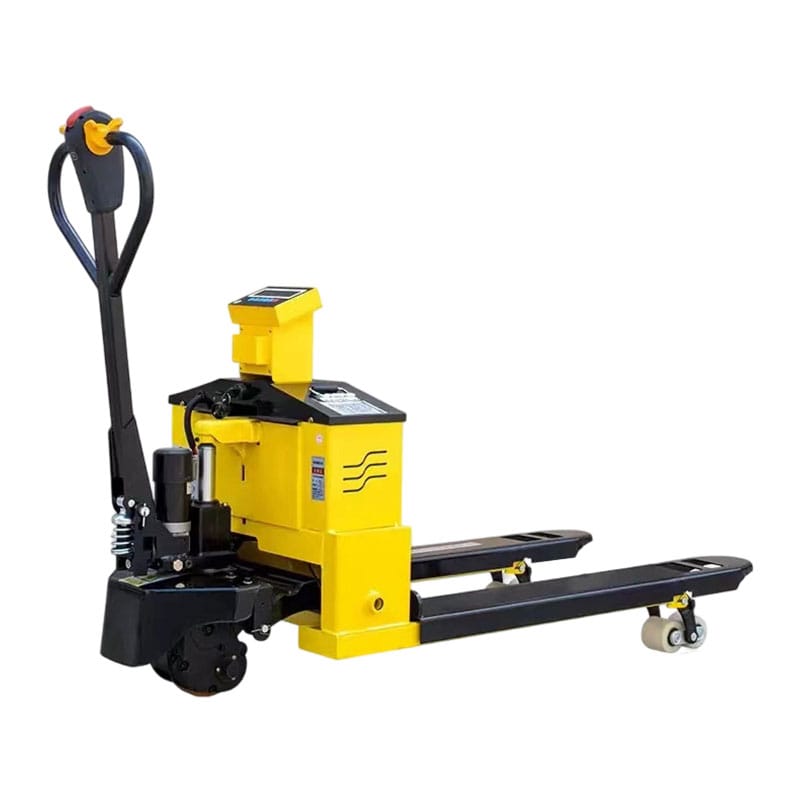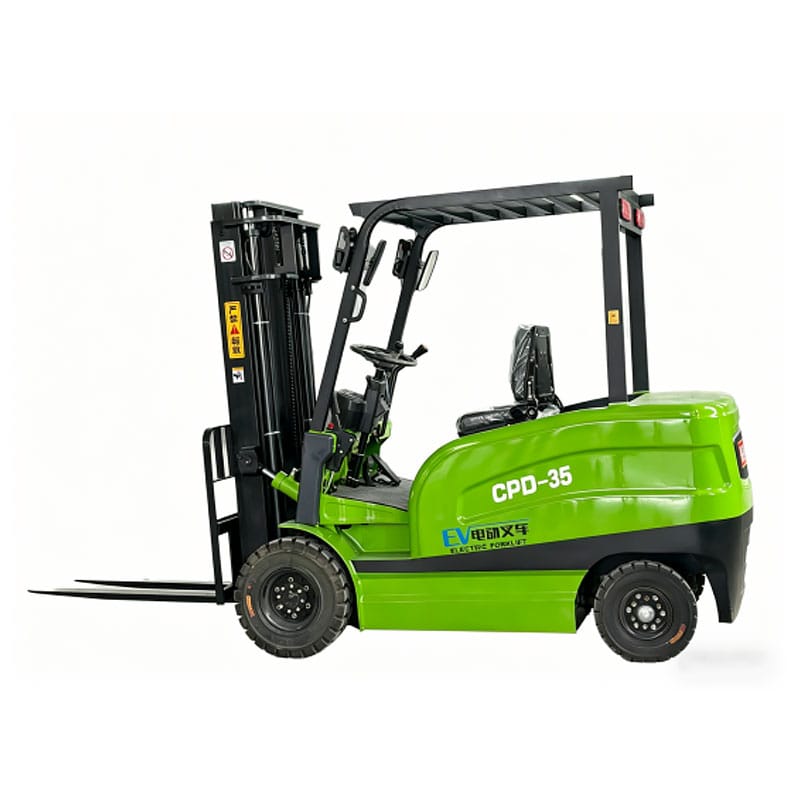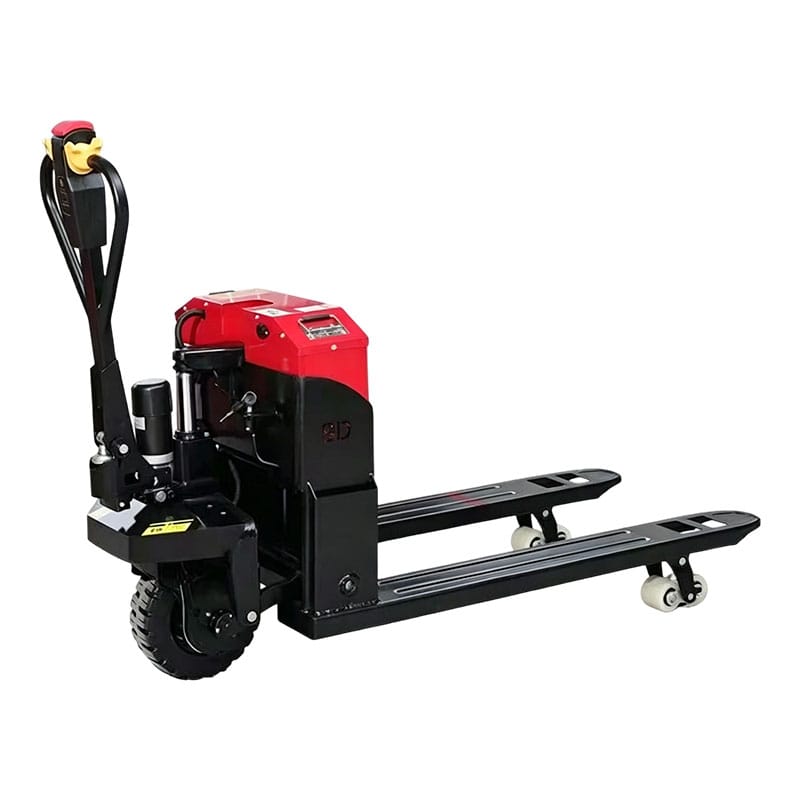
A forklift quotation comparison table helps procurement teams compare suppliers beyond price. The table should include model, capacity, lift height, battery or power details, tires, parts support, documentation and after-sales communication.
This article is written for importers, distributors, brand owners and procurement managers comparing material-handling equipment for practical warehouse, factory and outdoor applications. It uses Juwang Machinery’s public product categories and published product information as the site reference, and it marks application-dependent decisions as items to confirm before ordering.
Why a Comparison Table Matters
Price alone does not show whether a forklift fits the job. A comparison table reveals specification gaps and missing support details.
Start with Exact Model Names
Every quote should state the model clearly. Capacity class without a model is not enough for procurement records.
Compare Capacity and Load Details
Include rated capacity, expected load weight, pallet dimensions and load center considerations. This prevents mismatched recommendations.
Procurement Comparison Table
| Check Item | What the Buyer Should Confirm | Useful Link |
|---|---|---|
| Model and capacity | Confirm exact model, rated load and load center assumptions | Reference |
| Application fit | Check lift height, route, floor and daily duty | Reference |
| Parts and support | Compare spare parts and technical response | Reference |
| Safety and documents | Review user guidance and local requirements | Reference |
Review Lift Height and Aisle Fit
Lift height, lowered mast height, aisle width and turning space can decide whether the forklift works at the site.
Compare Battery or Power Details
For electric equipment, compare voltage, charger details, charging time assumptions and daily operating needs.
Check Tire and Surface Suitability
Indoor concrete, loading docks and outdoor yards may require different tire or machine choices.
Add Parts and Documentation Columns
Ask what spare parts, manuals, packing information and commercial documents can be provided for the exact order.
Use the Table Before Negotiation
Complete the technical comparison before negotiating final terms. This keeps the conversation focused on usable equipment, not only headline price.
Buyer Fit for Importers and Dealers
For importers and dealers, forklift quotation comparison table should be evaluated as a resale and support decision, not only as a single equipment purchase. The buyer should consider how the model will be explained to end users, which parts may need local stock, what operating conditions are common in the target market, and whether the supplier can provide consistent product information for repeat orders.
Details to Confirm Before Final Quotation
Before final quotation, prepare the expected load range, pallet or material dimensions, lift height, aisle or yard route, floor or ground condition, daily operating hours, charging availability where relevant, destination country and any document or branding requirements. These details help reduce revisions and make the supplier recommendation more reliable.
Common Mistakes to Avoid
Avoid choosing equipment only by one headline capacity, copying another customer’s configuration without checking the site, or treating attachments and spare parts as afterthoughts. Also avoid unsupported claims about certifications, working time or local compliance unless the supplier can provide documents for the exact model and destination market.
Supply Support to Discuss Early
For repeat B2B purchasing, discuss packing, manuals, spare parts identification, response process and model continuity early. These points help dealers protect customer relationships after the first sale and make future orders easier to repeat. If a requirement is not published on the website, treat it as a confirmation item rather than an assumed promise.
How to Use This Guide in a Distributor Inquiry
For a distributor or procurement manager, forklift quotation comparison table should be turned into a clear inquiry package before discussing final supply details. Include the intended customer type, normal load, maximum load, working route, floor or ground condition, lift or travel requirement, daily use pattern and destination market. If the application depends on a document, battery detail, attachment, packaging request or after-sales part, mark it as a confirmation item instead of assuming it is included by default. This keeps the article practical for real purchasing conversations and helps the supplier respond with a model recommendation that fits the actual job rather than a broad product label.
Conclusion
The right decision for forklift quotation comparison table depends on real working conditions, not only a keyword or capacity label. Buyers should confirm load, route, lift height, floor, charging, parts and documentation needs before asking for final quotation. For model matching, send Juwang Machinery the operating details through the contact page so the supplier can review the application before recommending equipment.
FAQ
What is the most important detail when choosing forklift quotation comparison table?
The most important detail is the real operating condition: load weight, pallet size, route, lift height, floor condition and daily working hours. These details decide whether the equipment class is suitable.
Should I choose a larger model for extra safety?
A larger model can help when loads vary, but it should not be chosen blindly. Vehicle size, turning space, floor condition, charging and shipping weight also matter.
What should I send before requesting a quotation?
Send load weight, pallet dimensions, required lift height, aisle width, floor or ground condition, daily use hours, destination market and any documentation needs.
Can one machine cover warehouse and outdoor work?
Sometimes, but only if the ground, tires, traction and load requirements fit. Flat indoor handling and rough outdoor handling often need different equipment types.
Why are spare parts discussed before ordering?
Parts planning helps dealers support customers after delivery. It also makes it easier to identify tires, electrical parts, hydraulic items and other service components later.