Table of Contents
Battery powered forklift selection becomes more useful when it starts with a specific operating question: size energy for an uneven shift. Average hours conceal the power demand during the busiest part of the day. The objective is to turn that constraint into a duty the supplier can evaluate and the site can accept.
A factory handles a morning delivery surge followed by intermittent replenishment. In this application, the four essential evidence items are Time-stamped moves, lift frequency, charging windows, and end-of-shift state of charge. This guide explains how to connect those records to a battery powered forklift decision, compare the proposed configuration and preserve the acceptance basis after delivery.
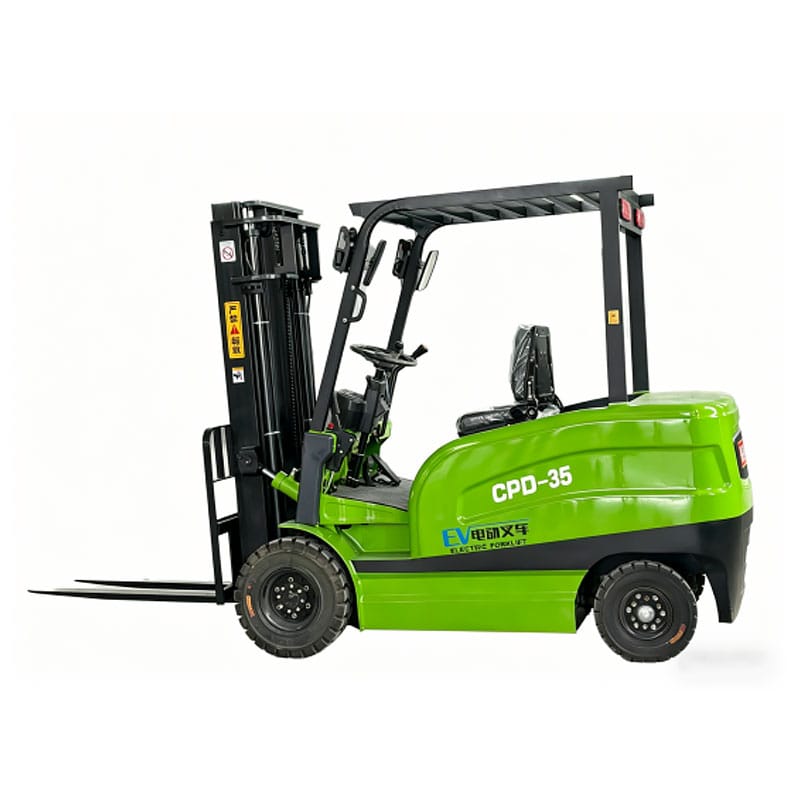
Battery powered forklift: define the application boundary
The central question for battery powered forklift is practical: average hours conceal the power demand during the busiest part of the day. Keep that question visible when discussing model names, optional features and pricing. A proposal that answers a different duty can look attractive while leaving the original constraint unresolved.
Use this acceptance objective: cover the peak work interval with a documented charging plan rather than a claimed full-day runtime. Treat it as the outcome to demonstrate through the appropriate supplier documents and site assessment. The following example is an illustrative planning situation, not a reported customer project or a performance claim for a Juwang model.
Illustrative battery powered forklift duty review
Consider the proposed situation: a factory handles a morning delivery surge followed by intermittent replenishment. First, obtain a current record of time-stamped moves. Next, reconcile it with lift frequency. If those records describe different loads, configurations or conditions, resolve the difference before using them to compare battery powered forklift offers.
Then ask the supplier to explain how charging windows affects the proposed machine or system. Have the responsible site or technical person review end-of-shift state of charge. The decision is conditional on the evidence agreeing with the actual application. If a critical item remains unconfirmed, retain the question as open instead of turning an estimate into an approved specification.
Battery powered forklift: compare energy using complete battery data
For operations considering battery powered forklift, nominal battery energy can be screened by multiplying voltage by amp-hour capacity and dividing by 1,000 to obtain kilowatt-hours. For illustration, a hypothetical 60-volt, 200-amp-hour pack represents 12 kilowatt-hours of nominal energy. This is arithmetic, not a runtime claim. Usable energy, duty intensity, temperature and battery condition affect what the machine can actually deliver.
In a battery powered forklift inquiry, compare the battery chemistry, capacity and approved charger along with voltage. Ask for the conditions behind any runtime statement. A route with frequent lifting and repeated acceleration differs from a mostly stationary duty. Use measured work demand and a supported charging plan to assess the shift; do not convert nominal kilowatt-hours directly into guaranteed hours of operation.
Reserve charging time within the actual work pattern
When comparing configurations for battery powered forklift, shift length is not a complete energy specification. Charging opportunities depend on when the machine can stop, whether the charger is available and whether its use is approved for the battery. An apparent lunch break may disappear when an inbound vehicle arrives or two shifts overlap. Map these events before relying on opportunity charging.
The battery powered forklift plan should identify a charging owner, location and usable time window. Separate the busiest continuous work interval from quieter periods. If several trucks share a charger, assess overlapping demand instead of assigning the same break to every machine. Record actual battery state during commissioning and revise the work allocation within the manufacturer's operating and charging requirements.
Size resources from overlapping demand
In an acceptance review for battery powered forklift, a daily pallet total can conceal a brief period when several teams need the same truck. Record the timing of inbound vehicles, production replenishment and dispatch. A simple first estimate is moves multiplied by the observed complete cycle time, but it must include breaks, waiting and charging. The resulting minutes are a workload estimate, not a promise of continuous availability.
The battery powered forklift allocation should be reviewed at the busiest overlap. If receiving and dispatch share equipment, define which duty takes priority and how handover works. Reserve capacity for reasonably expected disruption using the site's planning judgment. Revisit the estimate with observed operating data rather than treating the first calculation as a fixed fleet-size rule.

Use operating records to improve the approved process
When reviewing options for battery powered forklift, the first weeks of operation can reveal recurring queues, charging conflicts, packaging problems and avoidable waiting. Record the reason for lost time rather than treating every delay as a truck fault. Useful observations connect a specific load, route and time to the event, so the team can distinguish equipment issues from layout or scheduling problems.
For battery powered forklift, review these records with operations and the supplier where technical input is needed. Adjust allocation and staging within the approved machine and site limits. Changes to loads, attachments or the physical route may need a new suitability review. A short improvement cycle helps maintain the original specification while responding to what the warehouse actually experiences.
Plan what happens when the normal process is unavailable
For a procurement team evaluating battery powered forklift, charging conflicts, weather restrictions, service work and weight-check exceptions can interrupt a handling process even when the equipment was correctly selected. Identify an approved alternative for process-critical duties. That might involve a different assessed route, separately suitable equipment or a revised dispatch timetable.
A battery powered forklift plan should state who decides when the normal duty can resume and what evidence is needed. Avoid solving an interruption by exceeding a capacity, entering an excluded route or using an unconfirmed component. Review the contingency during commissioning and update it from actual operating experience. Keeping the alternative practical reduces pressure to improvise when an ordinary disruption occurs.
Compare battery powered forklift offers using the same evidence
| Decision item | Offer with an unresolved assumption | Offer supported for the intended duty |
|---|---|---|
| Time-stamped moves | The battery powered forklift offer gives a general description without a traceable record for this item. | The response identifies time-stamped moves and connects the evidence to the proposed duty. |
| lift frequency | The battery powered forklift offer gives a general description without a traceable record for this item. | The response identifies lift frequency and connects the evidence to the proposed duty. |
| charging windows | The battery powered forklift offer gives a general description without a traceable record for this item. | The response identifies charging windows and connects the evidence to the proposed duty. |
| end-of-shift state of charge | The battery powered forklift offer gives a general description without a traceable record for this item. | The response identifies end-of-shift state of charge and connects the evidence to the proposed duty. |
Use the comparison to locate missing information about battery powered forklift. It does not assign a universal score or favor an option before its conditions are known. The strongest response is the one that resolves the application question: cover the peak work interval with a documented charging plan rather than a claimed full-day runtime. If both offers leave that question open, request clarification before making the selection.
Connect the inquiry to the published product range
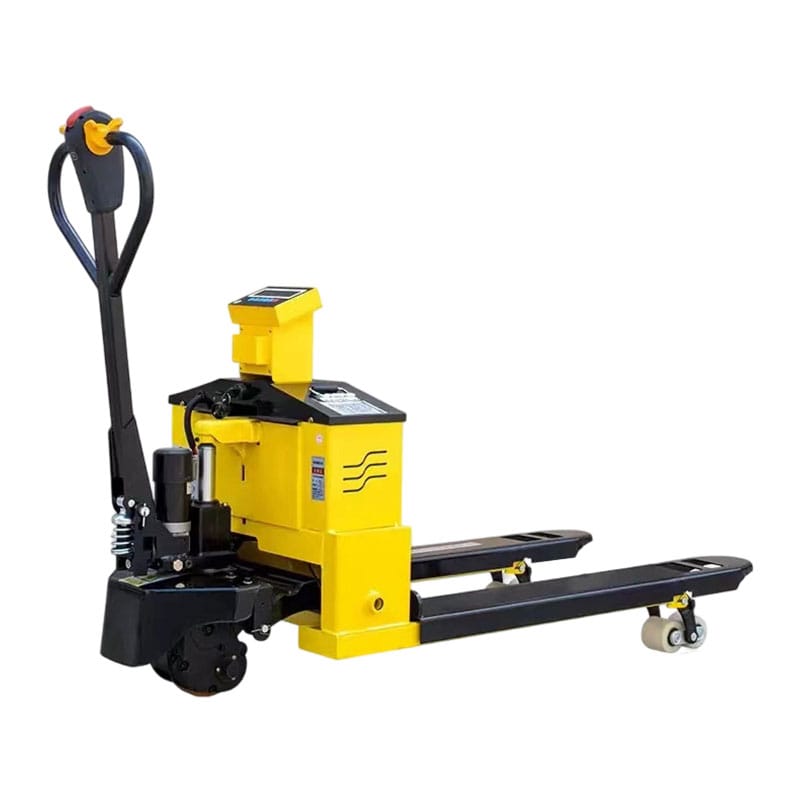
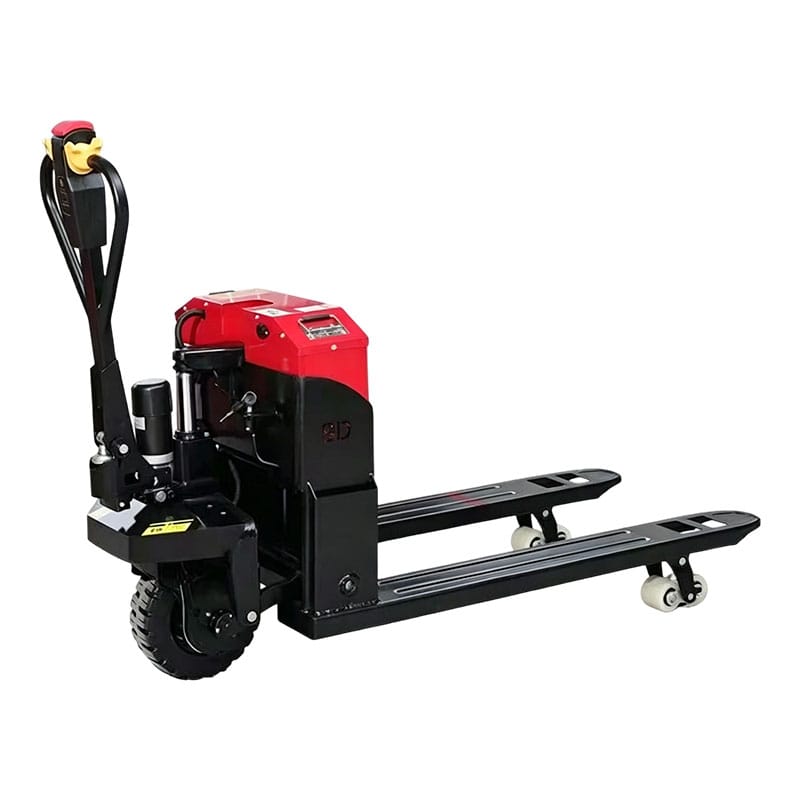
Juwang Machinery lists CPD-35D 3.5 Ton Electric Forklift within its published range. This is a relevant starting point for the battery powered forklift discussion. The linked product and photographs illustrate the equipment family; confirm the model, options and approved application in the formal offer. For the wider range, review Electric Forklifts.
The website also describes OEM/ODM customization, spare-parts supply and technical support. Review the published services and ask which part of the proposed battery powered forklift duty requires a custom configuration or additional support. Confirm the scope in writing. General website statements should not be treated as a model-specific runtime, certificate, delivery commitment or warranty term.
Prepare the battery powered forklift handover record
The final battery powered forklift record should retain the agreed answer for each evidence item: Time-stamped moves; lift frequency; charging windows; end-of-shift state of charge. Identify which records came from the site, which describe the supplied configuration and which require qualified technical review. The delivery inspection should then reconcile the physical equipment with the accepted offer.
After commissioning, revisit the decision when the application changes. In this case, a change affecting time-stamped moves or end-of-shift state of charge deserves attention because it can invalidate the original acceptance basis. Keep the approved baseline with the machine or process record so an operator, purchaser or service technician can understand the conditions behind the selection.
For US general-industry background on truck types and workplace conditions, consult the OSHA powered industrial trucks eTool. Combine the relevant background with the actual manufacturer instructions, operator training and the site assessment for the proposed duty.
Request a battery powered forklift review from Juwang
Contact Juwang Machinery about battery powered forklift with the application summary and the four evidence items. Explain the constraint explicitly: average hours conceal the power demand during the busiest part of the day. Request a documented configuration and an acceptance proposal that addresses the real duty. Use the inquiry form below to share drawings, pallet information or component references and request the relevant catalog, quotation and technical review.
Frequently asked questions
What is the first decision when evaluating battery powered forklift options for this application?
Average hours conceal the power demand during the busiest part of the day. The acceptance objective is to cover the peak work interval with a documented charging plan rather than a claimed full-day runtime.
What information about time-stamped moves should the battery powered forklift inquiry include?
Provide a current, traceable record of time-stamped moves and explain its connection to lift frequency. Mark estimates as provisional and ask the supplier which additional dimensions, identification or operating conditions are needed for the proposed configuration.
How should charging windows be checked before ordering?
Ask the supplier or qualified responsible person to identify the applicable documentation for charging windows. Review it together with end-of-shift state of charge for the actual duty. A generic photograph or a broad category description is insufficient to settle a configuration-specific question.
Which Juwang listing is relevant to this battery powered forklift inquiry?
CPD-35D 3.5 Ton Electric Forklift is the relevant linked catalog starting point in this guide. Confirm the exact model, options and application in a formal offer. The article does not establish unlisted specifications or availability of every requested variant.
When should the battery powered forklift acceptance decision be reviewed again?
Review it when the load, route, configuration or process changes in a way that affects time-stamped moves or end-of-shift state of charge. Keep approved changes connected to the actual equipment and use qualified service or site personnel where technical assessment is required.