Table of Contents
Pallet truck with scale selection becomes more useful when it starts with a specific operating question: set a receiving weight-check procedure. A reading is useful only when the load is supported and the weighing conditions are controlled. The objective is to turn that constraint into a duty the supplier can evaluate and the site can accept.
A receiving team wants to compare pallet deliveries with packing lists. In this application, the four essential evidence items are Scale capacity, complete load, level floor, and repeatable procedure. This guide explains how to connect those records to a pallet truck with scale decision, compare the proposed configuration and preserve the acceptance basis after delivery.
Pallet truck with scale: define the application boundary
The central question for pallet truck with scale is practical: a reading is useful only when the load is supported and the weighing conditions are controlled. Keep that question visible when discussing model names, optional features and pricing. A proposal that answers a different duty can look attractive while leaving the original constraint unresolved.
Use this acceptance objective: verify the weighing procedure and retain traceable readings for the receiving decision. Treat it as the outcome to demonstrate through the appropriate supplier documents and site assessment. The following example is an illustrative planning situation, not a reported customer project or a performance claim for a Juwang model.
Illustrative pallet truck with scale duty review
Consider the proposed situation: a receiving team wants to compare pallet deliveries with packing lists. First, obtain a current record of scale capacity. Next, reconcile it with complete load. If those records describe different loads, configurations or conditions, resolve the difference before using them to compare pallet truck with scale offers.
Then ask the supplier to explain how level floor affects the proposed machine or system. Have the responsible site or technical person review repeatable procedure. The decision is conditional on the evidence agreeing with the actual application. If a critical item remains unconfirmed, retain the question as open instead of turning an estimate into an approved specification.
Pallet truck with scale: define a supported weighing sequence
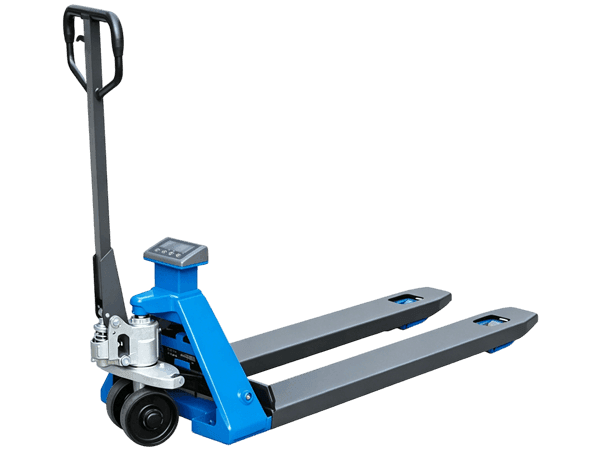
When comparing configurations for pallet truck with scale, an integrated pallet scale needs controlled weighing conditions. The complete load must be supported as required by the manufacturer, with no contact that interferes with measurement. Suitable floor conditions, a stable indication and the correct unit setting all belong in the process. Record what is being weighed and the purpose of the result.
A pallet truck with scale project should agree the procedure before relying on displayed values. Link the reading to a pallet or shipment identifier and note exceptions. An integrated scale can simplify movement, but it should be compared with the existing process using a validated sequence. If the purpose changes from internal screening to invoicing, review the metrological and local requirements separately.
Keep gross mass separate from product mass
In an acceptance review for pallet truck with scale, shipping records sometimes report product mass while the truck lifts products, packaging, a pallet and a reusable fixture together. Record the whole lifted assembly. If a load is close to a proposed rating, an estimate taken from a sales description is a weak basis for selection. Use a suitable weighing method or a controlled bill of materials, and account for normal variation between deliveries.
A pallet truck with scale comparison should use the same definition of load in every offer. Ask whether the stated capacity applies at the actual load center and elevation. Keep exceptional loads separate from the normal duty rather than quietly averaging them into a daily total. If the process occasionally handles heavier goods, specify how those loads will be identified and handled with separately approved equipment.
Connect weight differences to an investigation process
When reviewing options for pallet truck with scale, a weight discrepancy can arise from product quantity, packaging, moisture, a changed tare, a unit convention or measurement conditions. The reading identifies a question to investigate; it does not automatically identify the cause. Define what expected weight means and how the process handles normal variation before selecting an exception threshold.
For pallet truck with scale, link an exception to the pallet identifier and retain enough information to reproduce the check. Have the receiving team inspect records and packaging through the normal business process. Tolerances should reflect the validated measurement and the purpose of the check, not a convenient display increment. Keep unresolved differences separate from accepted inventory adjustments.
Control units and rounding in the record
For a procurement team evaluating pallet truck with scale, the same measured load can appear different when one team records kilograms and another uses pounds or rounds to a different precision. Set the reporting unit, conversion method and rounding rule before connecting scale readings to shipping documents. Keep the original reading identifiable where the process requires traceability.
A pallet truck with scale workflow should associate the measurement with the shipment, packaging and operator record used by the business. Check the unit setting at the start of the weighing task through the approved procedure. Do not compare rounded invoice figures with unrounded scale readings without understanding the convention. Resolve unit and tare differences before treating a discrepancy as missing goods.
Make the final specification usable by the operating team
Before specifying pallet truck with scale, the procurement file should leave the operating team with a clear account of the delivered machine, approved loads, route and support arrangements. A collection of brochures and informal messages is difficult to maintain. Consolidate the final configuration references, capacity information, manuals, inspection records and parts contacts.
For pallet truck with scale, identify where controlled documents are kept and how authorized changes are recorded. Separate the supplier's machine instructions from the site's own traffic and workflow procedures. Both are needed, but they serve different purposes. A repeat order or service modification should update the record for the affected machine rather than silently replacing the original evidence for the whole fleet.
Compare pallet truck with scale offers using the same evidence
| Decision item | Offer with an unresolved assumption | Offer supported for the intended duty |
|---|---|---|
| Scale capacity | The pallet truck with scale offer gives a general description without a traceable record for this item. | The response identifies scale capacity and connects the evidence to the proposed duty. |
| complete load | The pallet truck with scale offer gives a general description without a traceable record for this item. | The response identifies complete load and connects the evidence to the proposed duty. |
| level floor | The pallet truck with scale offer gives a general description without a traceable record for this item. | The response identifies level floor and connects the evidence to the proposed duty. |
| repeatable procedure | The pallet truck with scale offer gives a general description without a traceable record for this item. | The response identifies repeatable procedure and connects the evidence to the proposed duty. |
Use the comparison to locate missing information about pallet truck with scale. It does not assign a universal score or favor an option before its conditions are known. The strongest response is the one that resolves the application question: verify the weighing procedure and retain traceable readings for the receiving decision. If both offers leave that question open, request clarification before making the selection.
Connect the inquiry to the published product range
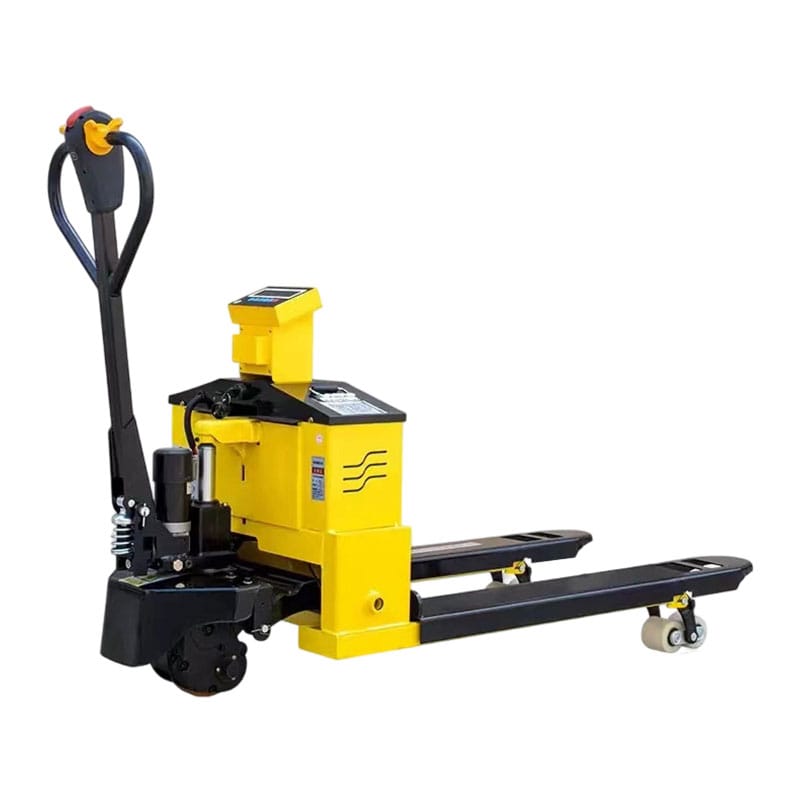
Juwang Machinery lists Electric Pallet Truck with Scale 3000kg within its published range. This is a relevant starting point for the pallet truck with scale discussion. The linked product and photographs illustrate the equipment family; confirm the model, options and approved application in the formal offer. For the wider range, review Pallet Trucks with Scales.
The website also describes OEM/ODM customization, spare-parts supply and technical support. Review the published services and ask which part of the proposed pallet truck with scale duty requires a custom configuration or additional support. Confirm the scope in writing. General website statements should not be treated as a model-specific runtime, certificate, delivery commitment or warranty term.
Prepare the pallet truck with scale handover record
The final pallet truck with scale record should retain the agreed answer for each evidence item: Scale capacity; complete load; level floor; repeatable procedure. Identify which records came from the site, which describe the supplied configuration and which require qualified technical review. The delivery inspection should then reconcile the physical equipment with the accepted offer.
After commissioning, revisit the decision when the application changes. In this case, a change affecting scale capacity or repeatable procedure deserves attention because it can invalidate the original acceptance basis. Keep the approved baseline with the machine or process record so an operator, purchaser or service technician can understand the conditions behind the selection.
For background on measurement traceability and legal metrology, consult the NIST Office of Weights and Measures. Confirm destination-specific requirements with the relevant local authority or qualified metrology specialist for the intended weighing use.
Request a pallet truck with scale review from Juwang
Contact Juwang Machinery about pallet truck with scale with the application summary and the four evidence items. Explain the constraint explicitly: a reading is useful only when the load is supported and the weighing conditions are controlled. Request a documented configuration and an acceptance proposal that addresses the real duty. Use the inquiry form below to share drawings, pallet information or component references and request the relevant catalog, quotation and technical review.
Frequently asked questions
What is the first decision when evaluating pallet truck with scale options for this application?
A reading is useful only when the load is supported and the weighing conditions are controlled. The acceptance objective is to verify the weighing procedure and retain traceable readings for the receiving decision.
What information about scale capacity should the pallet truck with scale inquiry include?
Provide a current, traceable record of scale capacity and explain its connection to complete load. Mark estimates as provisional and ask the supplier which additional dimensions, identification or operating conditions are needed for the proposed configuration.
How should level floor be checked before ordering?
Ask the supplier or qualified responsible person to identify the applicable documentation for level floor. Review it together with repeatable procedure for the actual duty. A generic photograph or a broad category description is insufficient to settle a configuration-specific question.
Which Juwang listing is relevant to this pallet truck with scale inquiry?
Electric Pallet Truck with Scale 3000kg is the relevant linked catalog starting point in this guide. Confirm the exact model, options and application in a formal offer. The article does not establish unlisted specifications or availability of every requested variant.
When should the pallet truck with scale acceptance decision be reviewed again?
Review it when the load, route, configuration or process changes in a way that affects scale capacity or repeatable procedure. Keep approved changes connected to the actual equipment and use qualified service or site personnel where technical assessment is required.