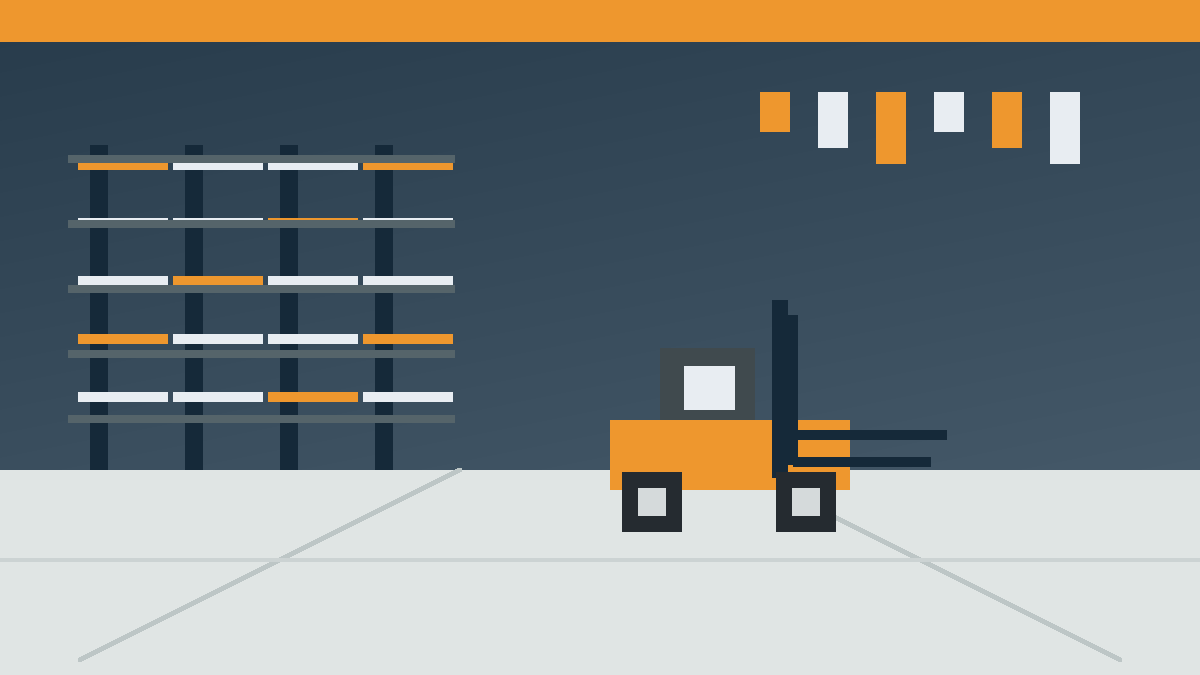
Choosing the right electric forklift capacity is not only about the heaviest pallet in a warehouse. For B2B buyers, the decision also depends on load center, lift height, floor condition, operating space, working hours and the type of goods being moved. A properly matched forklift helps purchasing teams avoid underpowered equipment while also preventing unnecessary oversizing.
Start with the Real Load Weight
The first step is to confirm the regular pallet weight, not just the theoretical maximum load. A warehouse that normally handles 1200 kg pallets may not need the same equipment as a site moving 3000 kg loads every day. Buyers should review the heaviest routine load, the load center distance and whether the goods are stable, boxed, bagged or irregular in shape.
Compare Common Capacity Ranges
- 2 ton electric forklifts are often suitable for medium-duty warehouse handling, workshops and lighter loading areas.
- 2.5 ton electric forklifts can support heavier routine pallet movement while remaining practical for many indoor applications.
- 3 ton electric forklifts are commonly selected for factories, logistics centers and heavier storage operations.
- 3.5 ton electric forklifts are better suited for high-load industrial handling where stronger lifting capacity is required.
Check Aisle Width and Turning Space
Capacity is only useful if the forklift can move safely within the working area. Before placing an order, measure aisle width, doorway clearance, turning zones and loading dock space. A compact electric forklift may be easier to use in high-density warehouses, while larger capacity models need more room for stable handling.
Match Lift Height with Rack Design
Lift height should match the actual storage system. Standard warehouse operations may only need a moderate mast height, while taller rack systems require additional confirmation. When lift height increases, buyers should also check load stability, mast configuration and whether the rated capacity changes at height.
Review Battery and Charging Workflow
Electric forklifts are often selected for indoor material handling because they operate with low noise and no exhaust emissions at the work site. For procurement planning, the important questions are charging time, expected working time, shift length and whether charging can be arranged between operating periods.
Consider Floor and Tire Conditions
Flat concrete floors are different from outdoor yards, rough ground or mixed indoor-outdoor routes. Solid tires, steering method, braking system and chassis structure should be checked against the actual operating environment. If the site has uneven ground, a rough terrain forklift or off-road model may be more suitable than a standard warehouse forklift.
Procurement Checklist
- Confirm routine and maximum pallet weight.
- Check load center and pallet dimensions.
- Measure aisle width, doorways and turning space.
- Confirm lift height and rack layout.
- Review battery voltage, charging time and work shift needs.
- Match tire type and chassis design with the floor condition.
- Ask the supplier to confirm final configuration before quotation.
Conclusion
The best electric forklift capacity is the one that fits the warehouse workload, not simply the largest model available. By checking load data, floor conditions and operating space before purchase, factories, wholesalers, logistics companies and distributors can select equipment that is easier to operate and more suitable for long-term use.
Related Equipment and Reference
For buyers comparing capacity ranges, the CPD-30A model page provides a useful example of a 3 ton electric forklift specification. For general workplace handling guidance, OSHA also maintains powered industrial truck guidance for employers and operators. CPD-30A 3 Ton Electric Forklift and OSHA powered industrial truck guidance.