تقوم العديد من المصانع والمستودعات بنقل البضائع عبر الطوابق الداخلية والساحات الخارجية. وهذا يخلق متطلبات مختلفة للمعدات من المستودع الذي يعمل فقط على الخرسانة الملساء. يجب على المشترين تقييم حالة الأرضية ونوع المسار ووزن الحمولة واحتياجات الرفع قبل اتخاذ قرار بشأن مزيج معدات مناولة المواد الخارجية الداخلية.
متطلبات المناولة الداخلية
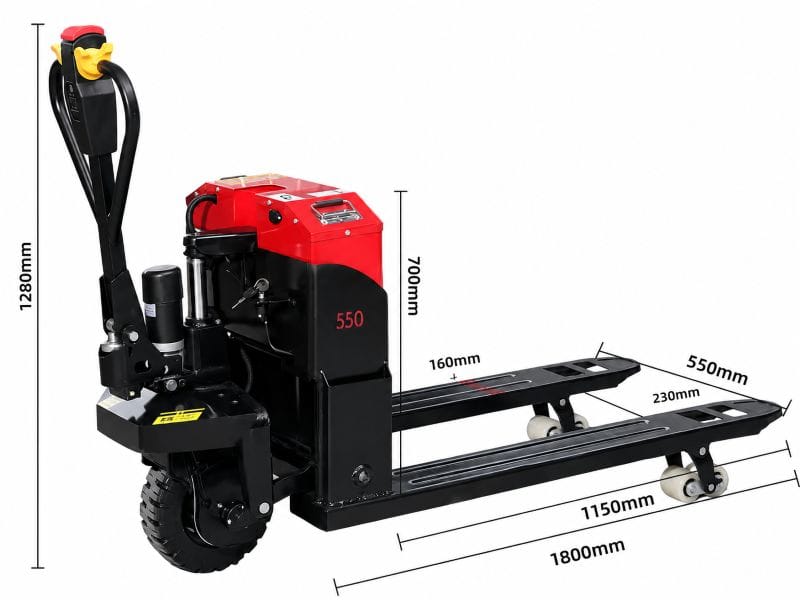
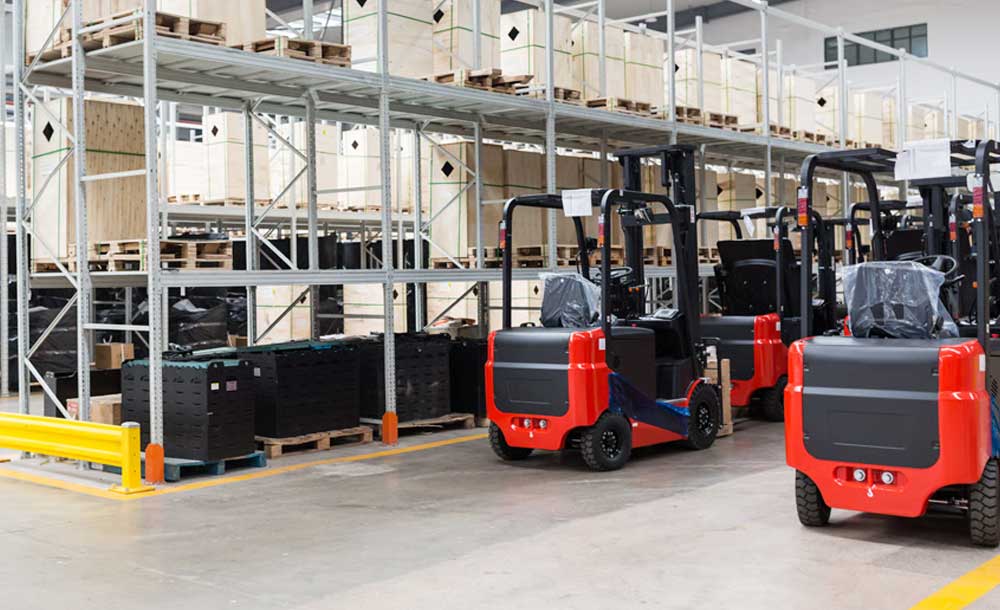
غالبًا ما تتطلب المناطق الداخلية خراطة مدمجة وتشغيلًا نظيفًا وحركة مستقرة على الأرضيات الخرسانية. تُستخدم الرافعات الشوكية الكهربائية وشاحنات البليت الكهربائية والمكدسات الكهربائية بشكل شائع للتعامل مع البليت الداخلي، اعتمادًا على ما إذا كانت المهمة هي النقل أو الرفع أو تخزين الرف.
متطلبات المناولة الخارجية
قد تشمل الساحات الخارجية الخرسانة غير المستوية أو الحصى أو المنحدرات أو التعرض للطقس. في هذه الظروف، تحتاج المعدات إلى إطارات مناسبة وخلوص أرضي ووضع القيادة وهيكل التوجيه. قد تكون الرافعة الشوكية ذات التضاريس الوعرة أكثر ملاءمة من معدات المستودعات القياسية إذا كان السطح متطلبًا.
الطرق المختلطة تحتاج إلى مراجعة دقيقة
أصعب المواقع هي تلك التي يعبر فيها نفس مسار البليت المناطق الداخلية والخارجية. يجب على المشترين التحقق من خلوص المدخل، والانتقالات الأرضية، والمنحدرات، ومناطق الانعطاف. قد لا تكون الآلة التي تعمل بشكل جيد في الداخل مناسبة للأسطح الخارجية، وقد يكون العكس صحيحًا أيضًا.
تحقق من نقاط الانتقال
يمكن أن تؤدي عتبات الأبواب والمنحدرات ومداخل الفناء إلى حدوث مشكلات في التعامل إذا تم تجاهلها. قد تواجه شاحنة البليت المصممة للأرضيات الناعمة صعوبات عند التحولات، في حين أن الرافعة الشوكية ذات التضاريس الوعرة قد تكون كبيرة جدًا بالنسبة للممرات الداخلية. وينبغي قياس هذه النقاط قبل اختيار المعدات.
خيارات مزيج المعدات
- شاحنات البليت الكهربائية لحركة البليت على مستوى الأرض في الأماكن المغلقة.
- مكدسات كهربائية لتخزين الرفوف الداخلية والرفع المدمج.
- رافعات شوكية كهربائية للتعامل مع المستودعات الداخلية الثقيلة.
- رافعات شوكية ذات تضاريس وعرة للساحات الخارجية غير المستوية والأسطح ذات طراز البناء.
أسئلة قبل الشراء
هل ستغطي آلة واحدة المسار بأكمله أم يجب فصل المهام الداخلية والخارجية؟ ما هو الحمل الأثقل؟ هل هناك منحدرات أو أرض وعرة؟ ما هو ارتفاع الرفع المطلوب في الداخل؟ يجب الإجابة على هذه الأسئلة قبل اختيار المعدات.
متى يتم تقسيم سير العمل
تعمل بعض المواقع بشكل أفضل مع آلات داخلية وخارجية منفصلة. على سبيل المثال، قد تقوم شاحنة البليت الكهربائية بتحريك المنصات داخل المستودع بينما تتعامل الرافعة الشوكية ذات التضاريس الوعرة مع التحميل في الفناء. يمكن أن يؤدي تقسيم سير العمل إلى تقليل عدم تطابق المعدات عندما تكون الأسطح وحدود المساحة مختلفة تمامًا.
خاتمة
غالبًا ما تتطلب معالجة المواد الداخلية والخارجية أكثر من نوع واحد من المعدات. يعتمد المزيج الصحيح على حالة السطح ووزن الحمولة ومسار السفر وتخطيط التخزين. تسمح تفاصيل الموقع الواضحة للموردين بالتوصية بتكوين أكثر أمانًا وعملية.
المعدات والمراجع ذات الصلة
بالنسبة للأجزاء الخارجية من طريق المناولة المختلط، تعد صفحة الرافعة الشوكية الأمامية المفصلية ذات التضاريس الوعرة LT-Q35 مرجعًا ذا صلة. تساعد إرشادات النقل في مكان العمل في الصحة والسلامة والبيئة في وضع إطار لتخطيط الطريق الداخلي والخارجي. رافعة شوكية أمامية مفصلية ذات تضاريس خشنة LT-Q35 و إرشادات النقل في مكان العمل HSE.