Tabla de contenidos
Rough terrain forklift selection becomes more useful when it starts with a specific operating question: screen ground bearing along a yard route. Apparent firmness can conceal soft patches and weak covers. The objective is to turn that constraint into a duty the supplier can evaluate and the site can accept.
A building-material yard moves pallets over mixed compacted surfaces. In this application, the four essential evidence items are Ground condition map, drainage, buried services, and proposed wheel loads. This guide explains how to connect those records to a rough terrain forklift decision, compare the proposed configuration and preserve the acceptance basis after delivery.

Carretilla elevadora para terrenos accidentados: defina el límite de aplicación
The central question for rough terrain forklift is practical: apparent firmness can conceal soft patches and weak covers. Keep that question visible when discussing model names, optional features and pricing. A proposal that answers a different duty can look attractive while leaving the original constraint unresolved.
Use this acceptance objective: have competent site personnel assess the route and exclude ground that cannot support the operation. Treat it as the outcome to demonstrate through the appropriate supplier documents and site assessment. The following example is an illustrative planning situation, not a reported customer project or a performance claim for a Juwang model.
Revisión ilustrativa del servicio de montacargas en terrenos acciden
Consider the proposed situation: a building-material yard moves pallets over mixed compacted surfaces. First, obtain a current record of ground condition map. Next, reconcile it with drainage. If those records describe different loads, configurations or conditions, resolve the difference before using them to compare rough terrain forklift offers.
Then ask the supplier to explain how buried services affects the proposed machine or system. Have the responsible site or technical person review proposed wheel loads. The decision is conditional on the evidence agreeing with the actual application. If a critical item remains unconfirmed, retain the question as open instead of turning an estimate into an approved specification.
Carretilla elevadora para terrenos accidentados: soporte de terreno topográfico y puntos débiles ocultos
Before specifying rough terrain forklift, an outdoor route can contain soft fill, poorly supported covers, trench edges and drainage areas that are not obvious from a general yard photograph. Surface grip and ground bearing are separate issues. Site personnel should assess the proposed wheel loads and the condition of the route, with specialist input where needed.
For rough terrain forklift, mark uncertain ground and excluded areas on a current plan. Consider seasonal changes and the effect of recent construction. Four-wheel drive or large tires do not establish that a surface can carry the machine safely. Review the ground assessment when the route changes, after material weather events or when a different load and configuration are introduced.
Evaluar la idoneidad del suelo para la máquina completa
In a site assessment for rough terrain forklift, floor loading depends on the truck's service mass, carried load, wheel arrangement and operating condition. Average load per square meter does not describe every concentrated wheel load. Covers, edges, suspended slabs and damaged surfaces may need separate assessment. Facility personnel or a competent structural specialist should evaluate the route using information for the proposed equipment.
For rough terrain forklift, obtain the relevant mass and loading data from the supplier and identify the site's weak or uncertain areas. Keep floor repairs and access restrictions in the project plan. A truck passing unloaded is not evidence that the loaded operation is suitable. Any change in load or machine configuration that affects the floor assessment should be reviewed before routine use.
Mantenga la descripción de la ruta específica y actualizada
When preparing an inquiry about rough terrain forklift, a handling route is a chain of interfaces: pallet pickup, travel surface, intersections, openings, storage or vehicle access and the return movement. Record the limiting conditions at each stage. A single overall aisle width or a photograph of the widest section leaves too much unresolved for equipment selection.
The rough terrain forklift duty sheet should identify which route version was assessed and who maintains it. Temporary stock, construction or changed dispatch arrangements can invalidate an earlier clearance review. Give the supplier the dimensions needed for configuration selection, then have the site approve the operating arrangement. Keep alternative routes separately assessed rather than assuming the machine may use any available shortcut.
Mantenga la masa bruta separada de la masa del producto
For operations considering rough terrain forklift, shipping records sometimes report product mass while the truck lifts products, packaging, a pallet and a reusable fixture together. Record the whole lifted assembly. If a load is close to a proposed rating, an estimate taken from a sales description is a weak basis for selection. Use a suitable weighing method or a controlled bill of materials, and account for normal variation between deliveries.
A rough terrain forklift comparison should use the same definition of load in every offer. Ask whether the stated capacity applies at the actual load center and elevation. Keep exceptional loads separate from the normal duty rather than quietly averaging them into a daily total. If the process occasionally handles heavier goods, specify how those loads will be identified and handled with separately approved equipment.
Vincule los pasos de inspección a la especificación de compra
When comparing configurations for rough terrain forklift, inspection is most useful when it checks the characteristics that made the equipment suitable for the proposed duty. Serial identification, component references, dimensions and supplied options should be connected to the signed configuration. A checklist made only from generic appearance checks can miss an important mast, fork or charger mismatch.
The rough terrain forklift inspection plan should identify the evidence to retain and the qualified person responsible for technical checks. Use agreed manufacturer procedures for functional verification and leave unresolved items visible. Shipment approval and arrival acceptance need their own records because transport and site conditions introduce different questions. Reconcile the delivered configuration before moving on to routine operation.
Compare las ofertas de montacargas para terrenos accidentados utilizando la misma evidencia
| Decision item | Offer with an unresolved assumption | Offer supported for the intended duty |
|---|---|---|
| Ground condition map | The rough terrain forklift offer gives a general description without a traceable record for this item. | The response identifies ground condition map and connects the evidence to the proposed duty. |
| drainage | The rough terrain forklift offer gives a general description without a traceable record for this item. | The response identifies drainage and connects the evidence to the proposed duty. |
| buried services | The rough terrain forklift offer gives a general description without a traceable record for this item. | The response identifies buried services and connects the evidence to the proposed duty. |
| proposed wheel loads | The rough terrain forklift offer gives a general description without a traceable record for this item. | The response identifies proposed wheel loads and connects the evidence to the proposed duty. |
Use the comparison to locate missing information about rough terrain forklift. It does not assign a universal score or favor an option before its conditions are known. The strongest response is the one that resolves the application question: have competent site personnel assess the route and exclude ground that cannot support the operation. If both offers leave that question open, request clarification before making the selection.
Conecte la consulta a la gama de productos publicados
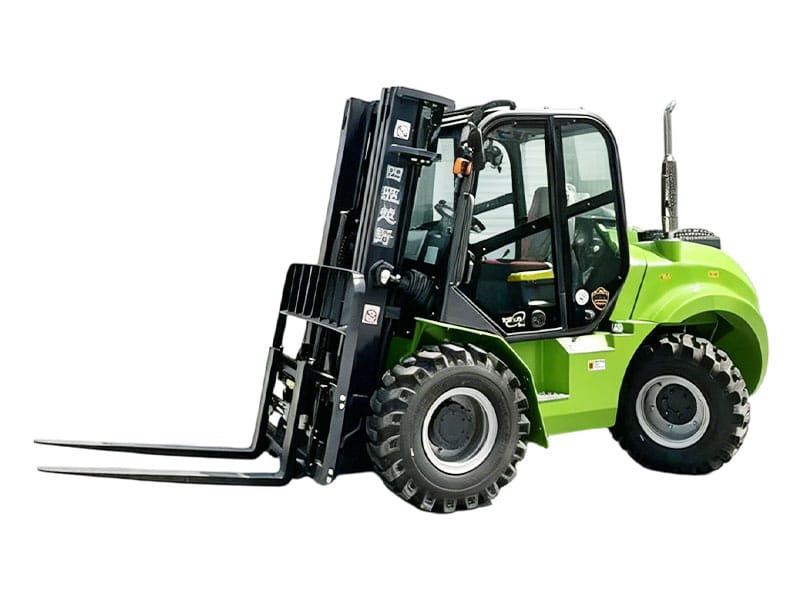
Juwang Machinery lists Carretilla elevadora trasera articulada de terreno accidentado de 3,5 toneladas within its published range. This is a relevant starting point for the rough terrain forklift discussion. The linked product and photographs illustrate the equipment family; confirm the model, options and approved application in the formal offer. For the wider range, review Carretilla elevadora todoterreno 4x4.
The website also describes OEM/ODM customization, spare-parts supply and technical support. Review the published services and ask which part of the proposed rough terrain forklift duty requires a custom configuration or additional support. Confirm the scope in writing. General website statements should not be treated as a model-specific runtime, certificate, delivery commitment or warranty term.
Prepare el récord de entrega de montacargas en terrenos accidentados
The final rough terrain forklift record should retain the agreed answer for each evidence item: Ground condition map; drainage; buried services; proposed wheel loads. Identify which records came from the site, which describe the supplied configuration and which require qualified technical review. The delivery inspection should then reconcile the physical equipment with the accepted offer.
After commissioning, revisit the decision when the application changes. In this case, a change affecting ground condition map or proposed wheel loads deserves attention because it can invalidate the original acceptance basis. Keep the approved baseline with the machine or process record so an operator, purchaser or service technician can understand the conditions behind the selection.
For US general-industry background on truck types and workplace conditions, consult the carretillas industriales eTool propulsadas por OSHA. Combine the relevant background with the actual manufacturer instructions, operator training and the site assessment for the proposed duty.
Request a rough terrain forklift review from Juwang
Contact Juwang Machinery about rough terrain forklift with the application summary and the four evidence items. Explain the constraint explicitly: apparent firmness can conceal soft patches and weak covers. Request a documented configuration and an acceptance proposal that addresses the real duty. Use the inquiry form below to share drawings, pallet information or component references and request the relevant catalog, quotation and technical review.
Frequently asked questions
What is the first decision when evaluating rough terrain forklift options for this application?
Apparent firmness can conceal soft patches and weak covers. The acceptance objective is to have competent site personnel assess the route and exclude ground that cannot support the operation.
What information about ground condition map should the rough terrain forklift inquiry include?
Provide a current, traceable record of ground condition map and explain its connection to drainage. Mark estimates as provisional and ask the supplier which additional dimensions, identification or operating conditions are needed for the proposed configuration.
How should buried services be checked before ordering?
Ask the supplier or qualified responsible person to identify the applicable documentation for buried services. Review it together with proposed wheel loads for the actual duty. A generic photograph or a broad category description is insufficient to settle a configuration-specific question.
Which Juwang listing is relevant to this rough terrain forklift inquiry?
3.5 Ton Rear Articulated Rough Terrain Forklift is the relevant linked catalog starting point in this guide. Confirm the exact model, options and application in a formal offer. The article does not establish unlisted specifications or availability of every requested variant.
When should the rough terrain forklift acceptance decision be reviewed again?
Review it when the load, route, configuration or process changes in a way that affects ground condition map or proposed wheel loads. Keep approved changes connected to the actual equipment and use qualified service or site personnel where technical assessment is required.