Los neumáticos para montacargas afectan la estabilidad, la tracción, la protección del piso y la eficiencia de manejo diario. Para almacenes, fábricas, centros logísticos y patios al aire libre, la selección de neumáticos debe basarse en la superficie de trabajo, el peso de la carga, la ruta de viaje y el tipo de equipo. Un neumático que funciona bien sobre hormigón liso puede no ser adecuado para grava, barro o suelo exterior irregular.
Comience con la superficie de trabajo
La primera pregunta es dónde funcionará la carretilla elevadora la mayor parte del tiempo. Los pisos interiores lisos, los muelles de carga, los patios accidentados y las rutas mixtas interiores y exteriores requieren diferentes consideraciones sobre los neumáticos. Los compradores deben describir la superficie claramente antes de pedirle a un proveedor que recomiende una configuración de montacargas.
Consideraciones comunes sobre neumáticos y ruedas
- Los neumáticos macizos se utilizan ampliamente en muchas carretillas elevadoras de almacén porque son duraderos y prácticos para pisos industriales planos.
- Las ruedas de poliuretano se encuentran comúnmente en transpaletas y apiladores donde la protección del piso, la baja resistencia a la rodadura y el movimiento compacto son importantes.
- Se pueden considerar opciones de neumáticos para terrenos semisólidos o accidentados para patios al aire libre y superficies irregulares, según el modelo de equipo.
- El tamaño de los neumáticos debe coincidir con las especificaciones del montacargas y no debe cambiarse sin la confirmación del proveedor.
Haga coincidir los neumáticos con la carga y la ruta
Las cargas pesadas, las rutas de viaje largas y los giros frecuentes pueden aumentar el desgaste de los neumáticos. Una carretilla elevadora utilizada principalmente para el manejo de palés interiores cortos tiene requisitos diferentes a los de una máquina que trabaja en patios exteriores. Los compradores deben revisar juntos el peso de la carga, la longitud de la ruta, las áreas de giro y el estado del piso.
Comprenda el tipo de equipo
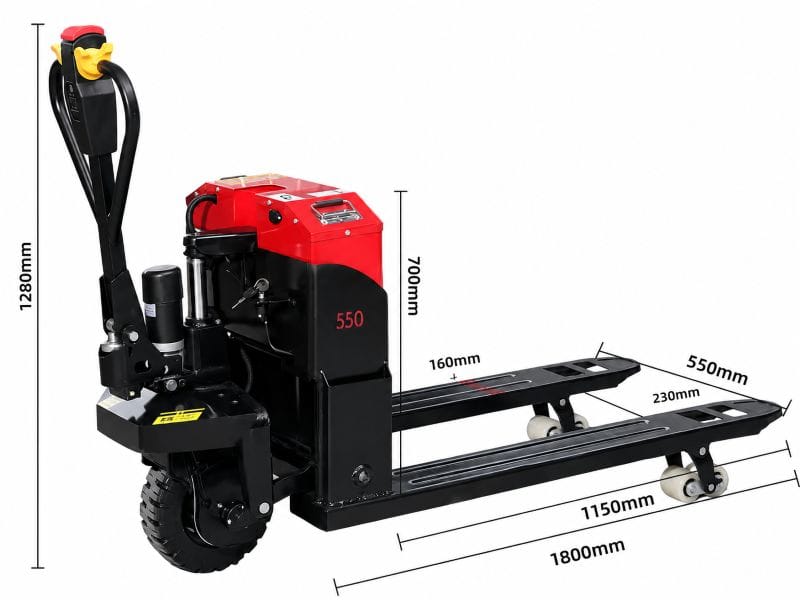
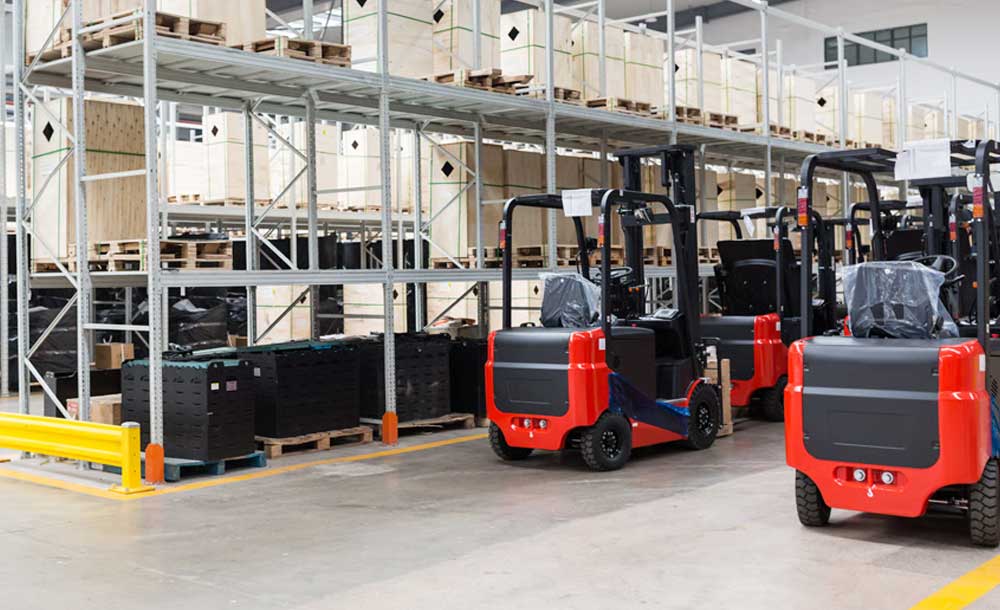
Las carretillas elevadoras, transpaletas y apiladores no utilizan la misma configuración de ruedas. Una carretilla elevadora eléctrica de contrapeso puede utilizar neumáticos macizos para el manejo en almacén, mientras que una transpaleta eléctrica puede utilizar ruedas motrices y de soporte de poliuretano. Los apiladores eléctricos también necesitan ruedas que coincidan con el ancho de la máquina, la carga nominal y los requisitos de giro. Los equipos de adquisiciones deben evitar elegir neumáticos basándose únicamente en su apariencia o tamaño general.
Uso de almacén interior
En los almacenes interiores, los compradores suelen centrarse en el estado del suelo, la maniobrabilidad, el desgaste de los neumáticos y el funcionamiento limpio. Las carretillas elevadoras eléctricas, las transpaletas eléctricas y los apiladores eléctricos suelen trabajar sobre suelos de hormigón, por lo que el material de los neumáticos o las ruedas debe soportar un movimiento estable sin daños innecesarios en el suelo.
Uso en patio exterior
Los patios exteriores pueden incluir concreto irregular, grava, suelo compactado o pendientes. En estas condiciones, el comprador debe evaluar si una carretilla elevadora de almacén estándar es adecuada o si una carretilla elevadora para terrenos accidentados se adapta mejor. El modo de conducción, el tamaño de los neumáticos, la distancia al suelo y el tipo de dirección se vuelven importantes.
Piense en mantenimiento y reemplazo
Los neumáticos y las ruedas son piezas de desgaste, por lo que la planificación de reemplazo debe incluirse en el proceso de compra. Los compradores deben preguntar si se pueden suministrar neumáticos de repuesto, ruedas motrices, ruedas de soporte o ruedas de equilibrio compatibles. Para flotas más grandes, mantener registros de cada modelo y especificación de rueda facilita el mantenimiento futuro y reduce el riesgo de pedir piezas incorrectas.
Evite mezclar tipos de neumáticos no compatibles
Cambiar el tipo de neumático sin confirmación técnica puede afectar la altura, la dirección, el frenado y la estabilidad del equipo. Esto es especialmente importante para carretillas elevadoras que manejan cargas más pesadas o operan cerca de estanterías, muelles y rutas peatonales. Cualquier cambio con respecto a la especificación original del neumático o la rueda debe revisarse con el proveedor antes de su uso.
Preguntas para confirmar antes de realizar el pedido
- ¿El equipo funcionará en interiores, exteriores o ambos?
- ¿Cuál es la superficie del piso principal?
- ¿Cuál es el peso de carga regular y máximo?
- ¿Cuánto duran las rutas de viaje diarias?
- ¿Hay pendientes, terrenos accidentados o zonas húmedas?
- ¿Qué tamaño de neumático o rueda se enumera en la especificación original?
- ¿Puede el proveedor confirmar neumáticos o ruedas de repuesto compatibles?
Por qué es importante la compatibilidad
Los neumáticos y las ruedas no son accesorios genéricos. Deben coincidir con el modelo de carretilla elevadora, transpaleta o apilador. El tamaño incorrecto de los neumáticos o las modificaciones no admitidas pueden afectar el manejo, el frenado y la estabilidad del equipo. Los compradores deben confirmar la compatibilidad con el proveedor antes de cambiar el tipo o tamaño de los neumáticos.
Conclusión
La elección de neumáticos para montacargas comienza con la comprensión del piso, la ruta y la carga. Para los compradores de B2B, el enfoque de adquisición más seguro es proporcionar detalles de la superficie de trabajo, el peso de la paleta, la ruta operativa y la información del modelo de equipo para que el proveedor pueda confirmar una configuración adecuada de neumáticos o ruedas.
Equipos relacionados y referencia
Para comparar neumáticos para exteriores y condiciones del suelo, revise la página de montacargas para terrenos difíciles con dirección en las ruedas traseras de 3,5 toneladas. La guía de transporte en el lugar de trabajo de HSE proporciona un contexto adicional de planificación del sitio. Carretilla elevadora de terreno accidentado con dirección en las ruedas traseras de 3,5 toneladas y Orientación sobre el transporte en el lugar de trabajo de HSE.