Tabla de contenidos
Electric stacker selection becomes more useful when it starts with a specific operating question: verify pallet entry before rack planning. Support legs or load wheels can conflict with closed-bottom pallets. The objective is to turn that constraint into a duty the supplier can evaluate and the site can accept.
A store proposes using a stacker for several pallet types. In this application, the four essential evidence items are Pallet underside drawing, fork dimensions, support-leg layout, and insertion test. This guide explains how to connect those records to an electric stacker decision, compare the proposed configuration and preserve the acceptance basis after delivery.
Electric stacker: define the application boundary
The central question for electric stacker is practical: support legs or load wheels can conflict with closed-bottom pallets. Keep that question visible when discussing model names, optional features and pricing. A proposal that answers a different duty can look attractive while leaving the original constraint unresolved.
Use this acceptance objective: confirm compatibility with each actual pallet before specifying rack positions or lift height. Treat it as the outcome to demonstrate through the appropriate supplier documents and site assessment. The following example is an illustrative planning situation, not a reported customer project or a performance claim for a Juwang model.
Illustrative electric stacker duty review
Consider the proposed situation: a store proposes using a stacker for several pallet types. First, obtain a current record of pallet underside drawing. Next, reconcile it with fork dimensions. If those records describe different loads, configurations or conditions, resolve the difference before using them to compare electric stacker offers.
Then ask the supplier to explain how support-leg layout affects the proposed machine or system. Have the responsible site or technical person review insertion test. The decision is conditional on the evidence agreeing with the actual application. If a critical item remains unconfirmed, retain the question as open instead of turning an estimate into an approved specification.
Electric stacker: inspect the pallet underneath the goods
The underside of a pallet determines whether the truck can enter and withdraw without interference. Record opening height, entry direction, bearer positions, bottom boards and the space available for load wheels or support legs. Nominal pallet length and width do not describe all these features. A mixed pallet pool needs a compatibility matrix covering the actual pallet families, including imported and returnable designs.
Before choosing electric stacker, inspect representative loaded pallets as well as their drawings. Damaged boards and excessive deflection can change the entry opening. Establish a pallet rejection process through the site's normal handling procedure. Do not use additional force to overcome an incompatible interface. Where two pallet families need different fork arrangements, separate equipment allocation may be more reliable than trying to standardize the machine alone.
Compare the pallet and the stacker's support layout
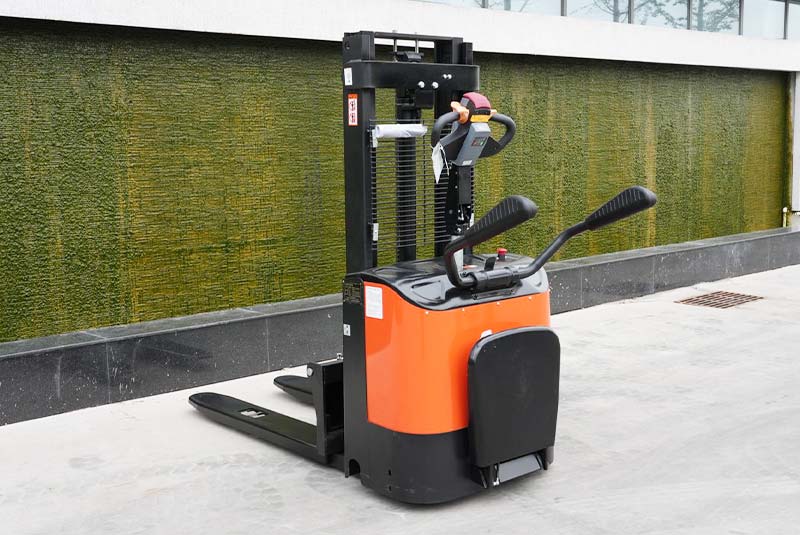
Support legs and load wheels are part of the stacker's geometry. They can conflict with bottom boards, rack beams or floor-level pallets. A pallet that works with a counterbalance forklift may therefore be unsuitable for a particular stacker. Compare an underside pallet drawing with the manufacturer's support-leg and fork dimensions.
For electric stacker, check a complete placement and withdrawal movement at the required rack levels. Include the space for the operator and controls. A counterbalance, straddle or other support arrangement should be confirmed by model-specific documentation; do not assume the requested type is available from a broad category heading. The selected layout must match the actual pallet pool and storage system.
Use representative samples to resolve physical interfaces
For operations considering electric stacker, drawings are valuable, but a representative pallet, container or packaging sample can reveal features omitted from a general specification. The sample should reflect the loaded condition and the normal variation expected in service. Record what was tested so an unusually good sample is not treated as proof for the entire pallet pool.
Before accepting electric stacker, agree which questions the sample review is intended to resolve. Physical fit does not replace capacity, floor or traffic assessments. Trials should follow competent site review, trained operation and the manufacturer's instructions. Document both satisfactory conditions and exclusions so later packaging or pallet changes trigger the appropriate reassessment.
Specify every relevant fork dimension
When comparing configurations for electric stacker, outside fork width, the gap between the forks, individual fork width and fork thickness answer different questions. A single width value can therefore produce a quotation that appears compliant while failing to fit the pallet. Identify each dimension on a drawing and state the intended entry direction. Record any adjustment range and the position assumed in the manufacturer's aisle calculation.
For electric stacker, confirm that load wheels, fork tips and any supporting legs remain clear of the pallet bearers during the full movement. Check withdrawal after placement as well as insertion at floor level. Wider forks may suit one pallet family and obstruct another. Retain the approved drawing with the procurement file so later orders use the same dimensional definition.
Compare defined alternatives against the same duty
In an acceptance review for electric stacker, a useful comparison holds the load and work sequence constant while evaluating different supported configurations. If one offer assumes a shorter pallet, a lower rack or a quieter shift, its apparent advantage may come from the assumption rather than the machine. State the common duty and list exceptions explicitly.
For electric stacker, use the four evidence items below as the minimum common response structure. Ask suppliers to answer each item and identify missing information. An option that remains unconfirmed should not be scored as equivalent to a documented configuration. The final choice should explain which requirement it satisfies and what site or service conditions must be maintained for that choice to remain suitable.
Compare electric stacker offers using the same evidence
| Decision item | Offer with an unresolved assumption | Offer supported for the intended duty |
|---|---|---|
| Pallet underside drawing | The electric stacker offer gives a general description without a traceable record for this item. | The response identifies pallet underside drawing and connects the evidence to the proposed duty. |
| fork dimensions | The electric stacker offer gives a general description without a traceable record for this item. | The response identifies fork dimensions and connects the evidence to the proposed duty. |
| support-leg layout | The electric stacker offer gives a general description without a traceable record for this item. | The response identifies support-leg layout and connects the evidence to the proposed duty. |
| insertion test | The electric stacker offer gives a general description without a traceable record for this item. | The response identifies insertion test and connects the evidence to the proposed duty. |
Use the comparison to locate missing information about electric stacker. It does not assign a universal score or favor an option before its conditions are known. The strongest response is the one that resolves the application question: confirm compatibility with each actual pallet before specifying rack positions or lift height. If both offers leave that question open, request clarification before making the selection.
Conecte la consulta a la gama de productos publicados
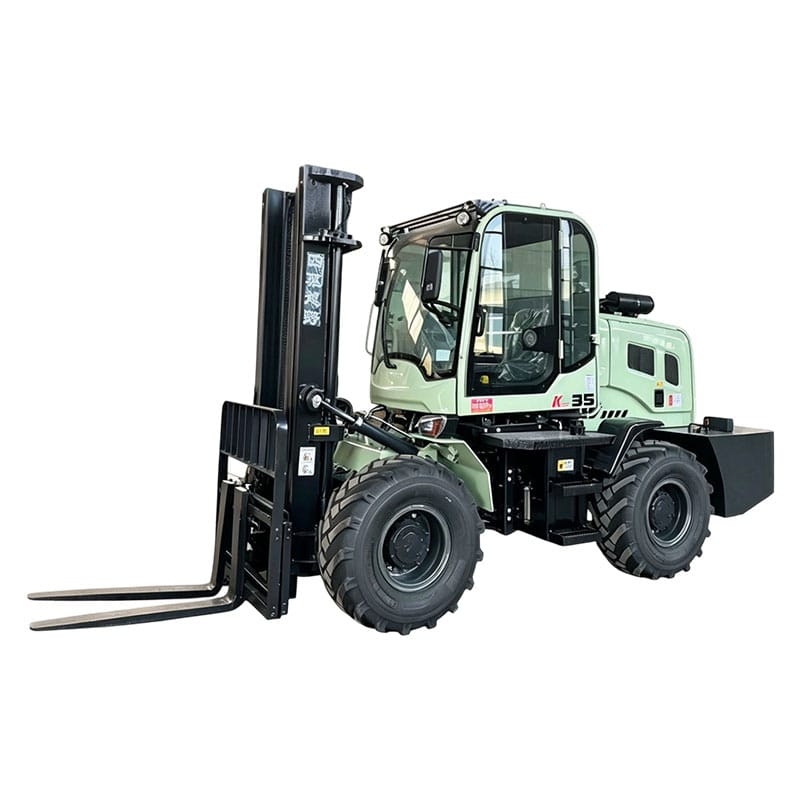
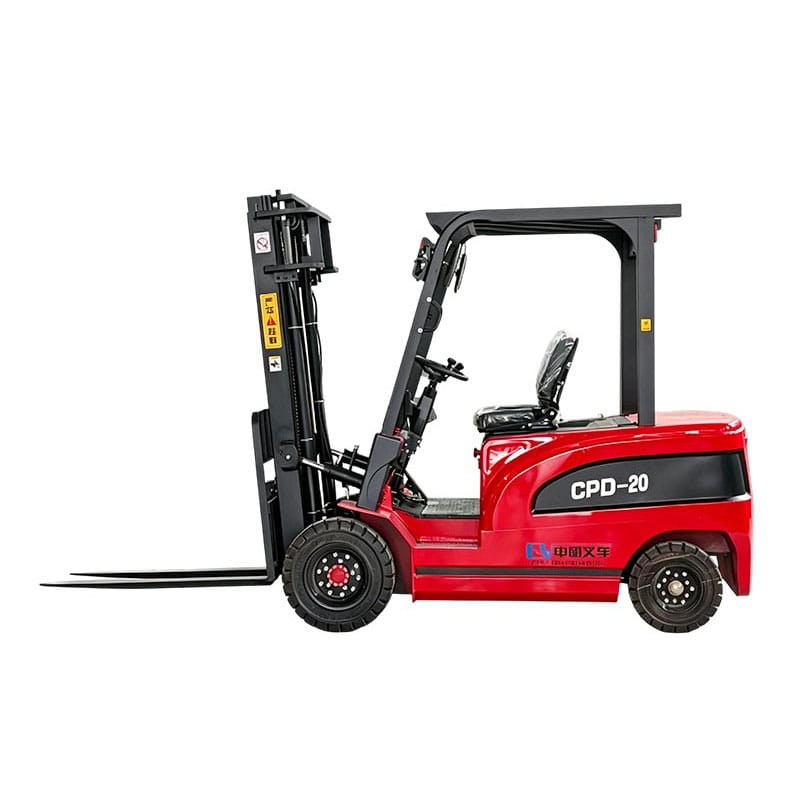
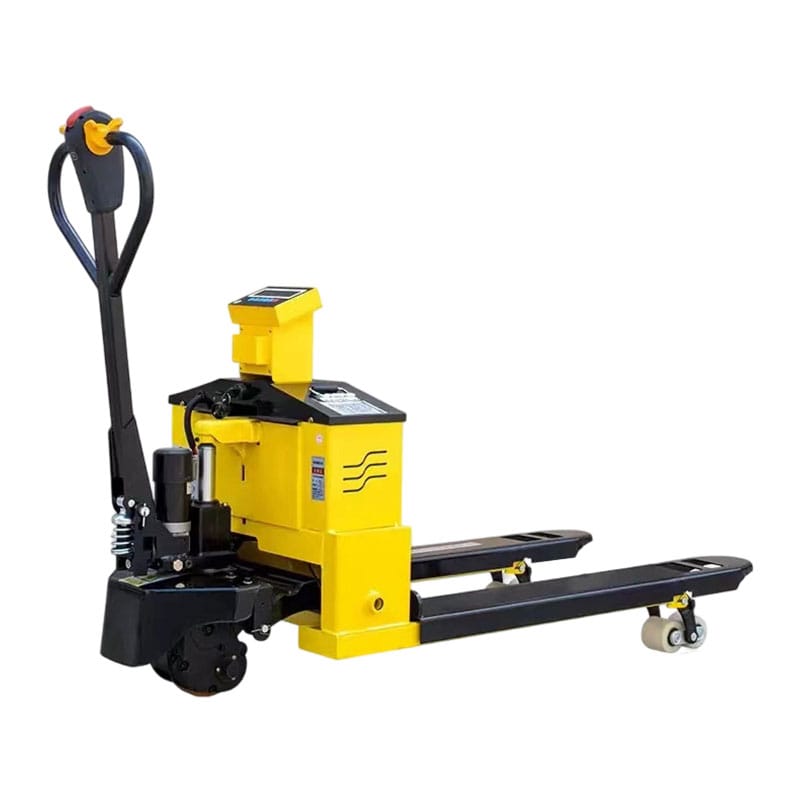
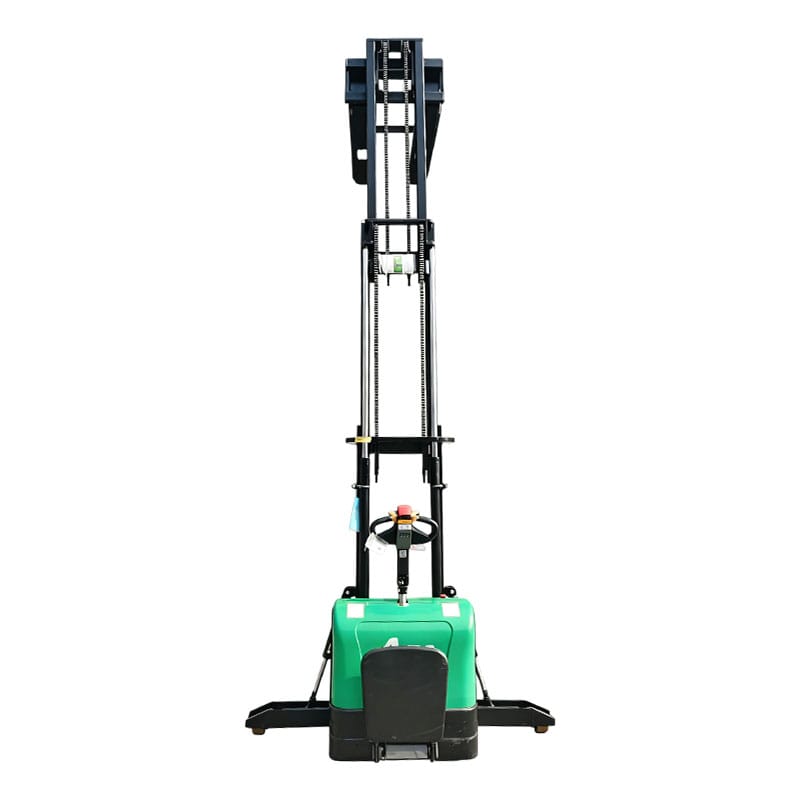
Juwang Machinery lists Apilador eléctrico antivuelco de 2 toneladas within its published range. This is a relevant starting point for the electric stacker discussion. The linked product and photographs illustrate the equipment family; confirm the model, options and approved application in the formal offer. For the wider range, review Apiladores eléctricos.
The website also describes OEM/ODM customization, spare-parts supply and technical support. Review the published services and ask which part of the proposed electric stacker duty requires a custom configuration or additional support. Confirm the scope in writing. General website statements should not be treated as a model-specific runtime, certificate, delivery commitment or warranty term.
Prepare the electric stacker handover record
The final electric stacker record should retain the agreed answer for each evidence item: Pallet underside drawing; fork dimensions; support-leg layout; insertion test. Identify which records came from the site, which describe the supplied configuration and which require qualified technical review. The delivery inspection should then reconcile the physical equipment with the accepted offer.
After commissioning, revisit the decision when the application changes. In this case, a change affecting pallet underside drawing or insertion test deserves attention because it can invalidate the original acceptance basis. Keep the approved baseline with the machine or process record so an operator, purchaser or service technician can understand the conditions behind the selection.
For US general-industry background on truck types and workplace conditions, consult the carretillas industriales eTool propulsadas por OSHA. Combine the relevant background with the actual manufacturer instructions, operator training and the site assessment for the proposed duty.
Request a electric stacker review from Juwang
Contact Juwang Machinery about electric stacker with the application summary and the four evidence items. Explain the constraint explicitly: support legs or load wheels can conflict with closed-bottom pallets. Request a documented configuration and an acceptance proposal that addresses the real duty. Use the inquiry form below to share drawings, pallet information or component references and request the relevant catalog, quotation and technical review.
Frequently asked questions
What is the first decision when evaluating electric stacker options for this application?
Support legs or load wheels can conflict with closed-bottom pallets. The acceptance objective is to confirm compatibility with each actual pallet before specifying rack positions or lift height.
What information about pallet underside drawing should the electric stacker inquiry include?
Provide a current, traceable record of pallet underside drawing and explain its connection to fork dimensions. Mark estimates as provisional and ask the supplier which additional dimensions, identification or operating conditions are needed for the proposed configuration.
How should support-leg layout be checked before ordering?
Ask the supplier or qualified responsible person to identify the applicable documentation for support-leg layout. Review it together with insertion test for the actual duty. A generic photograph or a broad category description is insufficient to settle a configuration-specific question.
Which Juwang listing is relevant to this electric stacker inquiry?
2 Ton Anti-Rollover Electric Stacker is the relevant linked catalog starting point in this guide. Confirm the exact model, options and application in a formal offer. The article does not establish unlisted specifications or availability of every requested variant.
When should the electric stacker acceptance decision be reviewed again?
Review it when the load, route, configuration or process changes in a way that affects pallet underside drawing or insertion test. Keep approved changes connected to the actual equipment and use qualified service or site personnel where technical assessment is required.